Q2 · 9700/41/M/J/20 Q7
Worked solution from the Photosynthesis Theory (Paper 4) booklet, Part 1 of 2.

Worked solution
(a)
Match each description with the best letter.
Enzyme with a high optimum temperature: D (PEP carboxylase, which works well at high temperatures). [1]
Enzyme in bundle sheath cells: E (rubisco). [1]
Process that slows down the rate of photosynthesis: J (photorespiration). [1]
Compound that releases carbon dioxide into bundle sheath cells: F (malate, which is broken down to give CO2 and pyruvate). [1]
Cells that stop oxygen reaching bundle sheath cells: H (mesophyll cells, which surround the bundle sheath). [1]
(b)
Rice roots are in waterlogged soil with little oxygen. Write any three of these, each with its reason.
Rice has aerenchyma (air spaces in the stem and roots) so oxygen can reach the submerged roots or parts. [1]
Underwater leaves have ridges that hold air close to the leaf surface or stomata. [1]
The plant grows taller to keep leaves and flowers above the water level. [1]
Other points that also score (only three marks are available): the plant has a high tolerance to ethanol, so roots can respire anaerobically; it makes more ethanol dehydrogenase to break down the ethanol from anaerobic respiration.
Official mark scheme

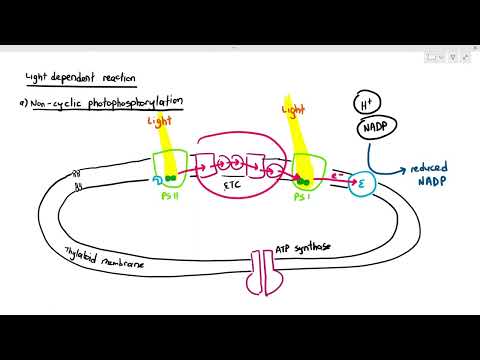 ▶ Topic lesson
A lesson on this topic · by OtterBioTutor. Tap the picture to open it on YouTube.
Solutions follow the official Cambridge mark schemes; marks are shown in grey. Videos are from other YouTube channels. Paper codes read component / series / year: M/J = May/June, O/N = October/November. Past-paper questions © UCLES, reproduced for classroom practice.