Q30 · 7707/11/M/J/21 Q13
Worked solution from the Accounting procedures MCQ booklet.

Worked solution
The question asks how much depreciation had built up on the machinery and which side of the disposal account it goes on.
Disposal account: the debit side has the cost of the machinery ($6 290) and the profit on disposal ($584). The credit side has the sale proceeds ($3 100) and the depreciation to date.
Debit side total = $6 290 + $584 = $6 874.
Depreciation = $6 874 − $3 100 = $3 774, recorded on the credit side.
Check: net book value = $6 290 − $3 774 = $2 516, and sold for $3 100, which is a profit of $584.
So the answer is C.
A and B ($2 606) take the profit away from cost less proceeds instead of adding it. B and D put the depreciation on the debit side.
 ▶ Topic lesson
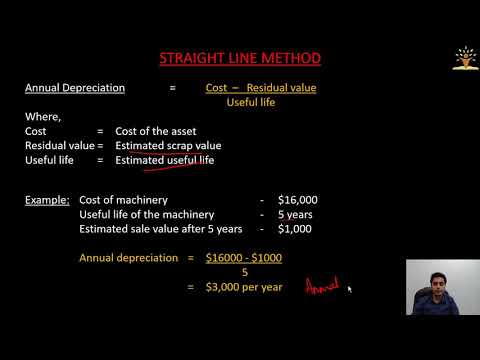
A lesson on this topic · by Edex World. Tap the picture to open it on YouTube.
Solutions follow the official Cambridge mark schemes. Videos are from other YouTube channels. Paper codes read component / series / year: M/J = May/June, O/N = October/November. Past-paper questions © UCLES, reproduced for classroom practice.