Q41 · 9700/42/F/M/25 Q6
Worked solution from the Homeostasis Theory (Paper 4) booklet, Part 1 of 2.

Worked solution
(a)(i)
High blood glucose makes the pancreas release insulin.
Write: P = insulin. [1]
Write: Q = muscle (or liver) cells. [1]
Write: R = glycogen. [1]
(a)(ii)
Write: negative feedback. [1]
(b)
The hormone released when glucose is low is glucagon. Describe its path. Write any seven:
Glucagon is released from the pancreas. [1]
It binds to a receptor on the cell surface membrane of liver cells. [1]
G protein is activated. [1]
Adenylyl cyclase is activated. [1]
ATP is converted to cAMP, which acts as a second messenger. [1]
An enzyme cascade follows, with enzymes activated by phosphorylation, and the signal is amplified. [1]
Glycogen is broken down to glucose (glycogenolysis), and the glucose enters the blood; gluconeogenesis also adds glucose. [1]
Official mark scheme

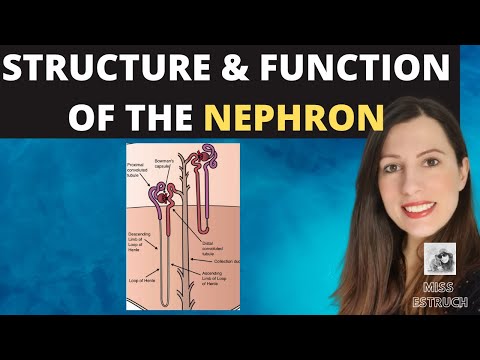 ▶ Topic lesson
A lesson on this topic · by Miss Estruch Biology. Tap the picture to open it on YouTube.
Solutions follow the official Cambridge mark schemes; marks are shown in grey. Videos are from other YouTube channels. Paper codes read component / series / year: M/J = May/June, O/N = October/November. Past-paper questions © UCLES, reproduced for classroom practice.