Q13 · 9700/43/M/J/22 Q4
Worked solution from the Genetic technology Theory (Paper 4) booklet, Part 1 of 3.

Worked solution
(a)
Work down each row. Tick the technique(s) that match.
It can add a new phenotypic characteristic: tick both columns. [1]
It can change an A–T base pair to C–G: tick gene editing only. [1]
It can inactivate a desired selected gene: tick gene editing only. [1]
It may change DNA in a way that cannot be told apart from a natural mutation: tick gene editing only. [1]
It requires a DNA donor and a recipient: tick plasmid only. [1]
(b)(i)
The wild type oil is high in polyunsaturated fatty acids (18:2 about 25% and 18:3 about 18%).
Type A has the highest 18:2 and 18:3. Write: A. [1]
(b)(ii)
Link Fig. 4.1 to social benefits. Any three.
Types B and C have much less polyunsaturated fat (18:2 and 18:3 only about 3 to 8%) and more 18:1 (about 47 and 56% compared with about 17%), so the oil lasts longer and there is less food waste. [1]
There is more food production, which helps with global demand for food. [1]
Farmers (and the country) earn more income, and the crop can be grown in water shortage or poor soil. [1]
Official mark scheme

 ▶ Topic lesson
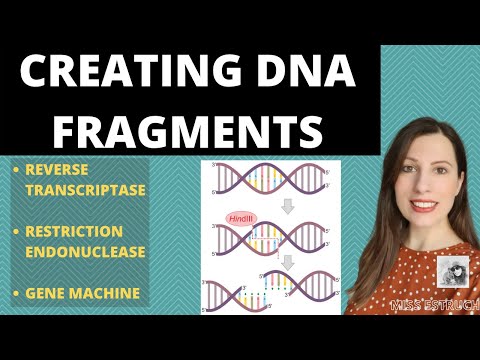
A lesson on this topic · by Miss Estruch Biology. Tap the picture to open it on YouTube.
Solutions follow the official Cambridge mark schemes; marks are shown in grey. Videos are from other YouTube channels. Paper codes read component / series / year: M/J = May/June, O/N = October/November. Past-paper questions © UCLES, reproduced for classroom practice.