Q91 · 9700/13/O/N/22 Q35
Worked solution from the Transport in mammals MCQ booklet.

Worked solution
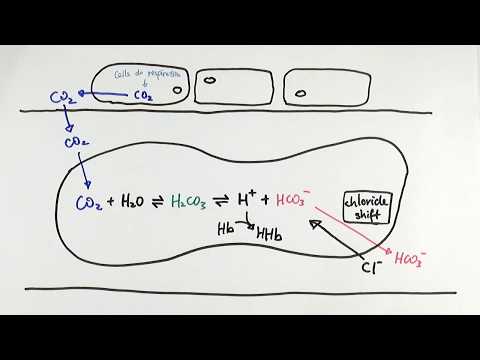
The question asks which statements about haemoglobinic acid are correct. It forms in red blood cells when H+ ions bind to haemoglobin.
Statement 1: H+ ions come from carbonic acid, which is made by the enzyme carbonic anhydrase. This is true.
Statement 2: haemoglobin binds the extra H+ ions, so it acts as a buffer and keeps the blood from becoming too acidic. This is true.
Statement 3: this is wrong. Haemoglobinic acid forms when oxygen is released from haemoglobin, since haemoglobin binds H+ more easily after it has let go of oxygen.
So the answer is B.
A and D include statement 3, which is wrong. C leaves out statement 2, which is correct.
 ▶ Topic lesson
A lesson on this topic · by BioRach. Tap the picture to open it on YouTube.
Solutions follow the official Cambridge mark schemes. Videos are from other YouTube channels. Paper codes read component / series / year: M/J = May/June, O/N = October/November. Past-paper questions © UCLES, reproduced for classroom practice.