Q21 · 9700/43/M/J/22 Q6
Worked solution from the Control and coordination Theory (Paper 4) booklet, Part 1 of 2.

Worked solution
(a)
Region Y is the top of the chemoreceptor cell where it faces the mouth.
Write: the structures are microvilli. [1]
Write: they increase the surface area of the cell surface membrane. [1]
Write: so there are more Na+ (receptor) channels and more Na+ can enter. [1]
(b)
Calcium ions inside cell A trigger release of transmitter across a synapse to neurone B.
Write: vesicles of neurotransmitter are stimulated to move and fuse with the cell surface (presynaptic) membrane. [1]
Write: the neurotransmitter is released by exocytosis. [1]
Write: it diffuses across the synaptic cleft between cells A and B. [1]
Write: it binds to receptors on the postsynaptic membrane of neurone B. [1]
Write: sodium channels open and Na+ enters neurone B. [1]
Write: the membrane of B is depolarised and reaches threshold, so an action potential is generated. [1]
(Any six of the points in this chain.)
Official mark scheme

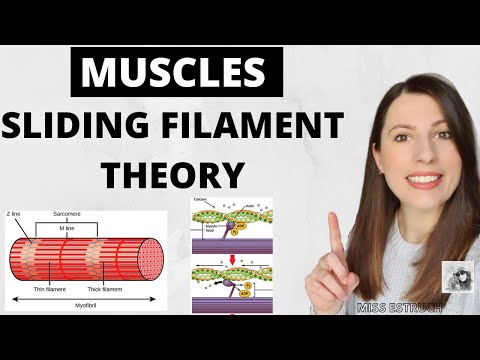 ▶ Topic lesson
A lesson on this topic · by Miss Estruch Biology. Tap the picture to open it on YouTube.
Solutions follow the official Cambridge mark schemes; marks are shown in grey. Videos are from other YouTube channels. Paper codes read component / series / year: M/J = May/June, O/N = October/November. Past-paper questions © UCLES, reproduced for classroom practice.