Q64 · 9708/33/O/N/21 Q30
Worked solution from the Government macroeconomic intervention MCQ booklet.

Worked solution
The question asks which policies fit an economy where prices are falling (deflation) and unemployment is too high.
The problem is weak aggregate demand. The government needs expansionary policies.
Reduced income taxes raise disposable income and consumption. Cutting the interest rate makes borrowing cheaper and raises consumption and investment. Together they raise aggregate demand, output and employment, and push the price level up.
So the answer is D.
A an appreciation and a higher interest rate would both reduce demand further. B higher taxes to pay for the extra spending leaves demand little changed overall, so it does little for unemployment. C higher indirect taxes raise prices and cut real incomes, so demand falls; a depreciation helps exports but is not enough to offset this.
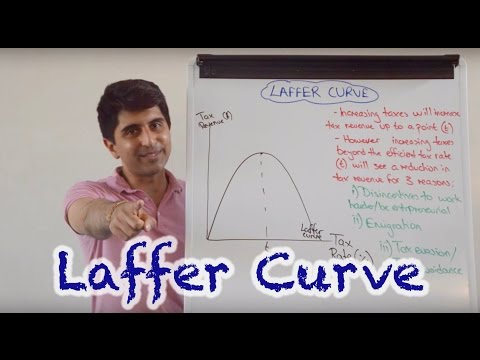 ▶ Topic lesson
A lesson on this topic · by EconplusDal. Tap the picture to open it on YouTube.
Solutions follow the official Cambridge mark schemes. Videos are from other YouTube channels. Paper codes read component / series / year: M/J = May/June, O/N = October/November. Past-paper questions © UCLES, reproduced for classroom practice.