Q18 · 9708/22/O/N/23 Q1
Worked solution from the The macroeconomy Theory (Paper 2) booklet, Part 4 of 5.

Worked solution
(a)
Percentage change = (new value − old value) ÷ old value × 100.
Use the average real global price of oil: 2014 = US$93.2, 2020 = US$39.7.
Change = (39.7 − 93.2) ÷ 93.2 × 100 = −53.5 ÷ 93.2 × 100 = −57.4% (a fall of 57.4%) [2]
(A figure of 57.4% that is clearly described as a fall also earns both marks; a fall with no accurate figure earns 1.)
(b)
Write: the COVID-19 pandemic caused demand for oil to fall (and the rise in electric cars also cuts demand for oil products). [1]
The demand curve shifted left, creating a surplus, so oil producers had to cut the price to sell their output. [1]
(c)
Diagram: draw a demand and supply diagram for lithium, with price up the vertical axis and quantity along the horizontal axis. Draw D and S and label the equilibrium P and Q. Draw a new curve, S1 to the left of S (supply of lithium falls), or D1 to the right of D (demand rises faster than supply). Show the new equilibrium with a higher price P1. [1]
Lithium is needed for car batteries, so a higher price of lithium raises the cost of producing electric cars. [1]
Firms pass this on, so the price of electric cars rises. [1]
(A correct diagram showing only the price rise of electric cars, with no link to the price of lithium as a cost, earns 1 mark at most.)
Policy: the policy must fix the lithium supply problem. For example, subsidies or tax incentives to encourage more lithium mines, or to fund research and development into other raw materials or better extraction. This raises the supply of lithium, which lowers its price and so the cost of electric cars. [1]
(d)
Explain: unemployment from diversification is likely to be structural, because jobs disappear in the oil and gas industry and workers do not have the skills for the new industries. [1]
Analyse both types. Structural unemployment comes from problems on the supply side: workers' skills and location do not match the jobs available, so it can last a long time and is harder to cure (it needs retraining). [1]
Cyclical unemployment comes from a lack of aggregate demand in a downturn, and is usually short run; it can be cured by raising demand when the economy recovers. [1]
Both cost the economy: lost output, lost tax revenue and higher government spending on benefits. [1]
Evaluation, linked to petrostates: their governments already struggle with budgets and national debt, so they have little money to pay for retraining. [1]
Conclusion: structural unemployment is likely to be more damaging to these economies because it is long lasting and hard to cure, while cyclical unemployment tends to disappear as demand recovers. [1]
(e)
Analysis of Venezuela (up to 2 marks here, with the Saudi Arabia points making a maximum of 4 in all): oil output has fallen to about 10% of its 2000 level, GDP has fallen by more than 75% in 5 years and over 5 million people have left. [1]
It has a lack of capital at home and cannot attract international investors, so it focuses on short-term growth, which makes diversification difficult. [1]
Analysis of Saudi Arabia: as a wealthy Middle East state it is already investing in renewable energy and international tourism, [1]
and it has better access to capital and is more likely to receive outside support, so diversification is more likely to succeed. [1]
Evaluation: both face falling oil demand because of climate change, but the success of diversification differs because of their wealth, access to capital and the support other countries will offer. [1]
Conclusion: diversification is more likely to succeed in Saudi Arabia than in Venezuela. [1]
Official mark scheme

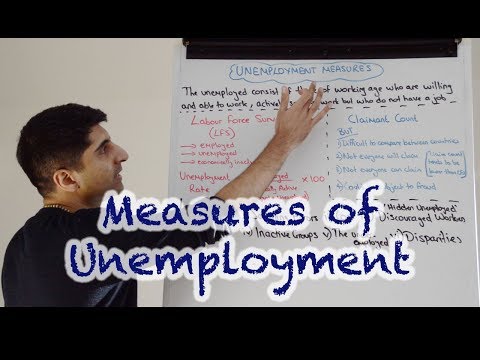 ▶ Topic lesson
A lesson on this topic · by EconplusDal. Tap the picture to open it on YouTube.
Solutions follow the official Cambridge mark schemes; marks are shown in grey. Videos are from other YouTube channels. Paper codes read component / series / year: M/J = May/June, O/N = October/November. Past-paper questions © UCLES, reproduced for classroom practice.