Q4 · 2059/11/M/J/21 Q3
Worked solution from the The Pakistan Movement in the early 20th century Theory (Paper 1) booklet, Part 2 of 5.

Worked solution
(a)
Allama Iqbal chaired a meeting of the Muslim League in Allahabad and, in his presidential address, called for all Muslims to work towards a separate homeland [1]
He argued that Islam united Muslims into one nation [1]
He said there could be no peace unless Muslims were recognised as one nation [1]
He wanted some areas joined into a separate state, for example Punjab, NWFP and Balochistan [1]
(b)
Explanation 1: The League was formed to unite the Muslim community. Hindu groups already had their own party, so Muslims needed one of their own.
Explanation 2: There was a view that Hindu groups would dominate the Muslim community, and some Hindu groups wanted their own language. The growth of some Hindu groups worried Muslims, so a party gave them a voice.
Explanation 3: The Muslim community had been successful in the Simla Deputation, which encouraged them to form their own political party.
This reaches Level 3 (explanation): it gives three developed explanations, supported by accurate knowledge. [7]
(c)
Beneficial: The Doctrine of Lapse was abolished, so rulers' states could no longer be taken over. The East India Company came to an end.
Beneficial: Irrigation schemes were begun, and Indian farmers benefited from new farming methods. The railway network was extended.
Not beneficial: The British carried out reprisals. The Mughal Emperor was banished and the Princes lost power.
Not beneficial: There was disruption to trade and business.
Judgement: Some outcomes helped India, such as irrigation, farming and railways, but the punishments and loss of power for the Emperor and Princes were severe. The outcomes were beneficial only to a limited extent.
This reaches Level 5: it explains benefits and harms with accurate knowledge and ends with a supported judgement. [14]
Official mark scheme

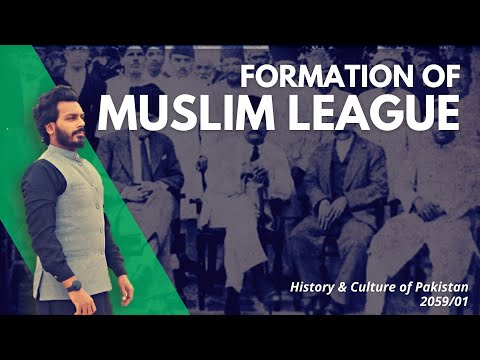 ▶ Topic lesson
A lesson on this topic · by Khizar Hayat. Tap the picture to open it on YouTube.
Solutions follow the official Cambridge mark schemes; marks are shown in grey. Videos are from other YouTube channels. Paper codes read component / series / year: M/J = May/June, O/N = October/November. Past-paper questions © UCLES, reproduced for classroom practice.