Q61 · 9708/31/O/N/21 Q26
Worked solution from the Government macroeconomic intervention MCQ booklet.

Worked solution
The question asks what Keynesians assume about wages and investment (table with A to D).
Keynesians believe wages are not flexible downwards (they are 'sticky'), so unemployment can persist.
They also believe investment is interest-inelastic: it depends mainly on business confidence and expected sales ('animal spirits'), so cutting interest rates does not reliably raise it.
So the row is wages not flexible and investment interest rates inelastic.
So the answer is D.
A and B have flexible wages, which is the classical view. C has interest-elastic investment, which would make monetary policy more powerful than Keynesians believe.
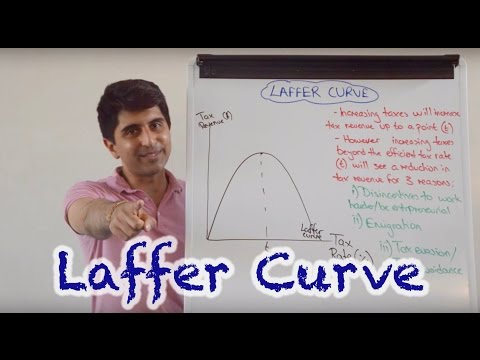 ▶ Topic lesson
A lesson on this topic · by EconplusDal. Tap the picture to open it on YouTube.
Solutions follow the official Cambridge mark schemes. Videos are from other YouTube channels. Paper codes read component / series / year: M/J = May/June, O/N = October/November. Past-paper questions © UCLES, reproduced for classroom practice.