Q194 · 9708/33/O/N/21 Q27
Worked solution from the The macroeconomy MCQ booklet.

Worked solution
The question asks which motive for holding money explains why the demand for money falls as the interest rate rises.
The speculative motive is holding money in order to buy bonds later when their price is low. When interest rates are high, bond prices are low, and the opportunity cost of holding idle money is high, so people hold less money and buy bonds. When interest rates are low, bond prices are high, and people hold more money. That gives the negative link.
So the answer is C.
A is not a Keynesian motive. B (precautionary) and D (transactions) depend mainly on income, not on the interest rate.
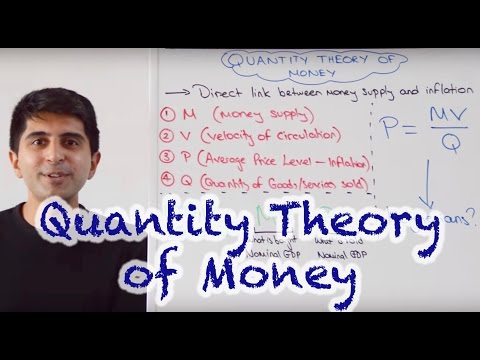 ▶ Topic lesson
A lesson on this topic · by EconplusDal. Tap the picture to open it on YouTube.
Solutions follow the official Cambridge mark schemes. Videos are from other YouTube channels. Paper codes read component / series / year: M/J = May/June, O/N = October/November. Past-paper questions © UCLES, reproduced for classroom practice.